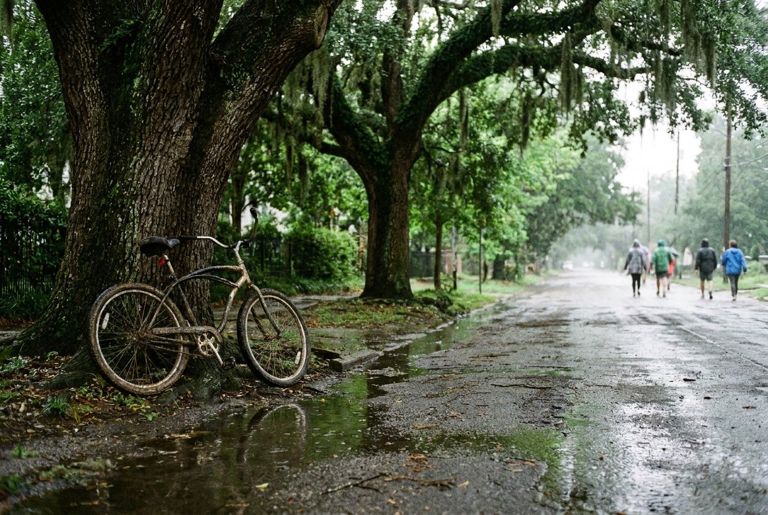
Heat, bridges and good manners on a New Orleans bike
The city is flat, but it is not easy. Heat, sudden rain, rough streets and two busy canal bridges call for some planning, and the people whose streets you ride deserve courtesy.
Riding New Orleans below the Industrial Canal
The city is flat, but it is not easy. Heat, sudden rain, rough streets and two busy canal bridges call for some planning, and the people whose streets you ride deserve courtesy.
One of the great voices of early rock and roll never moved far from the Lower Ninth. His story is woven into the ward's, from the hit records to the flood of 2005.
What happened when the Industrial Canal floodwall failed in August 2005, and what the long, uneven return of the people who live here looks like from the street today.
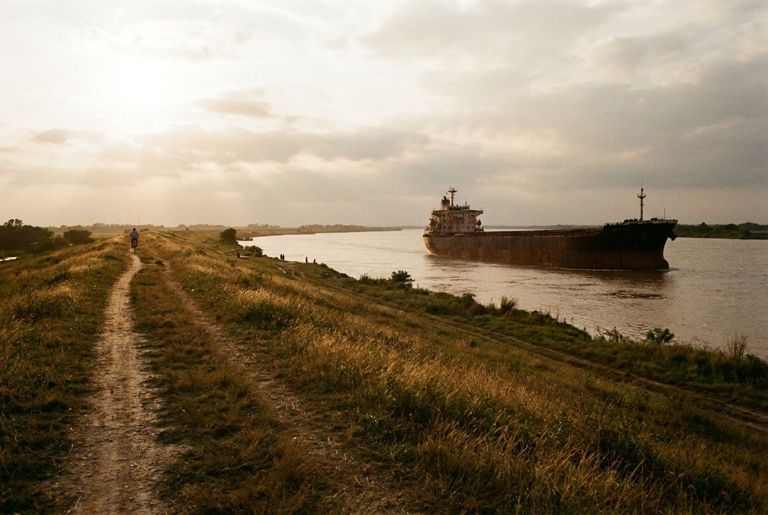
The Lower Ninth has water on two sides: the Mississippi to the south, with its ships and skyline, and the open wetland of Bayou Bienvenue to the north, where a cypress swamp once grew.
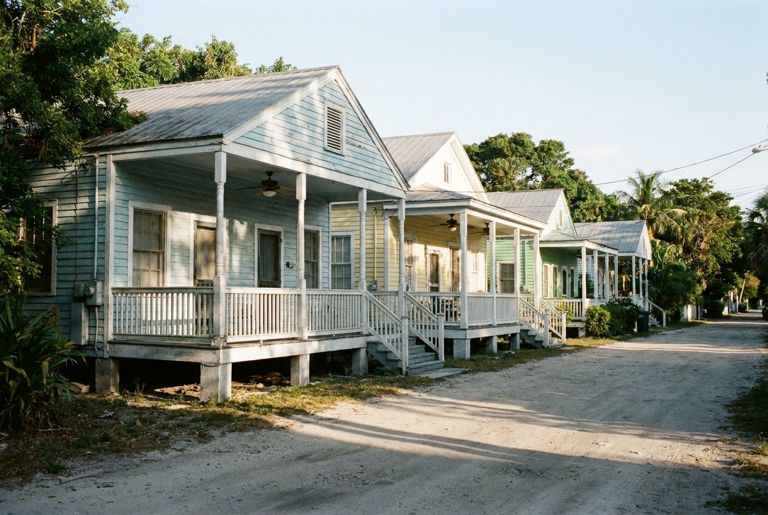
Between St. Claude Avenue and the river, the oldest part of the Lower Ninth keeps its shotgun houses, raised cottages and two riverboat-shaped homes that people have stopped to look at for a century.
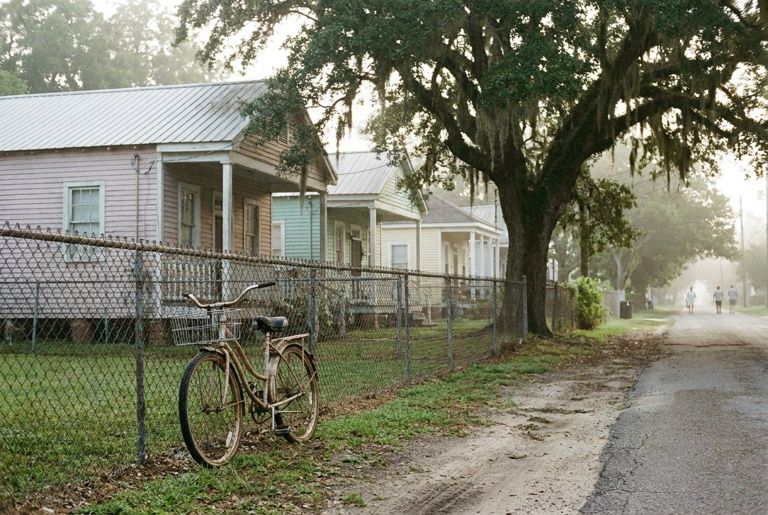
A flat, quiet corner of New Orleans below the Industrial Canal, best seen slowly from a bike seat: how to get across the water, how the streets fit together, and a loop to begin with.
Bridges, lanes and pavement in the ward change from year to year. Check conditions locally, ride in daylight and take more water than seems sensible.